


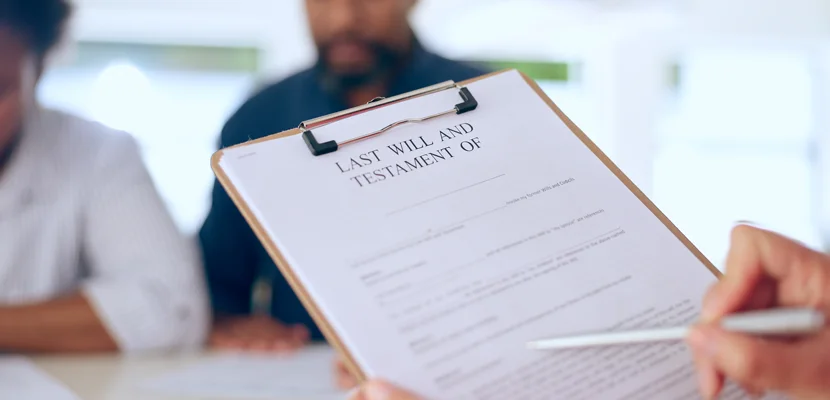
A will is one of the most important legal documents you will ever sign. It determines who receives your property, who manages your estate, and who will care for your minor children if something happens to you. Without a properly drafted will, Pennsylvania law decides those issues for you.
Working with a Wills Attorney in Pottstown, PA ensures your wishes are clearly documented and legally enforceable. Estate planning is not only for the wealthy. Anyone who owns property, has children, or wants control over how their assets are distributed should have a valid last will and testament.
At Sager & Sager, we assist individuals and families throughout Pottstown and Montgomery County with drafting comprehensive wills tailored to their circumstances. Whether you need a simple estate plan or more detailed planning involving trusts and guardianship provisions, careful drafting reduces the risk of confusion and future disputes.
A will provides clarity during an already difficult time. Taking the step to create one now gives your family direction and stability when they need it most.
What Is a Last Will and Testament?
A last will and testament is a legal document that outlines how your assets will be distributed after your death. It gives you control over who receives your property, who manages your estate, and who will care for your minor children.
Without a will, those decisions are left to Pennsylvania’s intestacy laws. With a properly drafted will, you decide.
A Last Will and Testament attorney PA families rely on ensures the document complies with state law and clearly reflects your wishes.
What a Will Does
A will allows you to:
- Distribute real estate, bank accounts, and personal property
- Name beneficiaries for specific gifts
- Appoint an executor to manage your estate
- Designate guardians for minor children
- Establish testamentary trusts for beneficiaries
The executor you appoint is responsible for handling the probate process. That includes gathering assets, paying debts, and distributing property according to the terms of your will.
How a Will Works With Probate
After death, a will is filed with the local probate court. In Montgomery County, the Register of Wills oversees this process. The court formally appoints the executor, who then administers the estate.
A clearly drafted will simplifies probate. Ambiguous language or outdated provisions can lead to delays, disputes, and unnecessary legal expenses.
A will is not just a form. It is a legal roadmap for how your estate will be handled. Proper drafting ensures your intentions are carried out accurately and efficiently.
What Happens If You Die Without a Will in Pennsylvania?
If you die without a valid will, you are considered to have died “intestate.” In that situation, Pennsylvania law determines how your estate is distributed. The court does not consider what you may have intended. It follows a statutory formula.
For many families, that result is not what they would have chosen.
How Intestacy Laws Work
Under Pennsylvania intestacy rules, distribution depends on your surviving relatives.
For example:
- If you are married with no children, your spouse generally inherits your estate.
- If you are married with children, your spouse receives a set amount plus a portion of the remaining estate, and the children share the balance.
- If you are unmarried with children, your children inherit everything.
- If you have no spouse or children, assets may pass to parents, siblings, or more distant relatives.
If no qualifying relatives can be located, the estate may ultimately pass to the Commonwealth of Pennsylvania.
No Control Over Guardianship
If you have minor children and no will, the court will decide who will serve as their guardian. While the judge will consider family members and the child’s best interests, you lose the ability to name your preferred guardian in advance.
Increased Risk of Disputes
Dying without a will can lead to:
- Family disagreements
- Delays in probate
- Unintended distributions
- Higher administrative costs
Intestacy creates uncertainty at a time when clarity matters most. Creating a properly drafted will ensures your estate is distributed according to your wishes, not default state rules.
What Can a Will Include?
A will is more than a document that says who gets what. It is a comprehensive estate planning tool that helps you organize your affairs and provide clear direction to your loved ones.
An experienced Estate planning lawyer Montgomery County families trust will tailor a will to reflect your specific goals and financial circumstances.
Distribution of Assets
Your will can direct how your assets are divided, including:
- Real estate
- Bank accounts are not governed by beneficiary designations
- Personal property such as jewelry, vehicles, and heirlooms
- Business interests
- Cash gifts to specific individuals or charities
You can leave specific gifts or divide the remainder of your estate among designated beneficiaries.
Appointment of an Executor
A will allows you to name an executor, the person responsible for administering your estate. This individual will:
- File the will with the probate court
- Identify and gather assets
- Pay debts and taxes
- Distribute property according to your instructions
Choosing a responsible and organized executor is critical.
Guardianship for Minor Children
If you have minor children, your will can nominate a guardian to care for them if both parents pass away. This is one of the most important provisions in any estate plan.
Testamentary Trusts
A will can create trusts that take effect upon your death. These trusts may:
- Manage assets for minor children
- Protect beneficiaries who are not financially experienced
- Provide structured distributions over time
Important Limitations
Certain assets pass outside of a will, including:
- Life insurance with named beneficiaries
- Retirement accounts with designated beneficiaries
- Jointly owned property with rights of survivorship
Coordinating your will with beneficiary designations is essential to avoid conflicts.
A properly drafted will provides structure and direction. It ensures your estate is handled efficiently and in accordance with your intentions.
Legal Requirements for a Valid Will in Pennsylvania
A will is only effective if it meets Pennsylvania’s legal requirements. Even small technical errors can create complications during probate or open the door to disputes.
Understanding these requirements helps ensure your will is enforceable.
Written Document
In Pennsylvania, a will must be in writing. Oral wills are generally not recognized. The document must clearly express your intent to distribute your property after death.
Signature of the Testator
The person creating the will, known as the testator, must sign the document. If the testator is physically unable to sign, another individual may sign on their behalf, but this must be done at the testator’s direction and in their presence.
Testamentary Capacity
The testator must have legal capacity at the time the will is signed. This means:
- Understanding the nature of creating a will
- Knowing the general extent of their assets
- Recognizing the natural beneficiaries of their estate
If capacity is questioned later, the will may be challenged.
No Undue Influence
A will must be executed voluntarily. If someone exerts pressure, manipulation, or coercion over the testator, the document may be contested on grounds of undue influence.
Witnesses and Self-Proving Affidavits
Pennsylvania does not strictly require witnesses for a will to be valid. However, having witnesses sign the document and including a self-proving affidavit can simplify probate and reduce the likelihood of challenges.
Proper execution is not optional. Careful drafting and adherence to legal formalities protect your estate plan from unnecessary complications.



When Should You Update Your Will?
Creating a will is not a one-time task. Life changes, and your estate plan should reflect those changes. An outdated will can create confusion, unintended consequences, or disputes during probate.
You should review your will after major life events, including:
- Marriage
- Divorce
- Birth or adoption of a child
- Death of a beneficiary or executor
- Significant change in assets
- Starting or selling a business
- Relocation to another state
For example, marriage or divorce can significantly affect how assets are distributed under Pennsylvania law. Failing to update your will after these events can lead to outcomes you did not intend.
Asset growth is another common reason to revise a will. If your estate has increased substantially in value or complexity, additional planning tools such as testamentary trusts may be appropriate.
Even without major changes, it is wise to review your will every few years to confirm that your executor, guardians, and beneficiaries still align with your wishes.
Estate planning is ongoing. Regular updates ensure your will continues to reflect your intentions and current circumstances.
Avoiding Probate Disputes and Will Contests
Even a properly executed will can become the subject of dispute if family members disagree with its terms. Careful drafting and proactive planning significantly reduce the risk of litigation.
Common grounds for contesting a will include:
- Allegations of undue influence
- Claims of lack of testamentary capacity
- Fraud or forgery
- Improper execution
- Ambiguous or conflicting language
Many disputes arise when a will appears inconsistent with prior statements or when one beneficiary receives a substantially larger share than others. Clear explanations and structured estate planning can reduce suspicion and conflict.
Working with an experienced Probate lawyer Pottstown families trust ensures your will is drafted with enforceability in mind. Detailed documentation, clear beneficiary designations, and proper execution procedures strengthen the will’s defensibility.
If a dispute does arise, probate litigation can delay distribution and increase estate expenses. Taking preventive steps during the drafting stage is far more efficient than defending a contested will later.
A carefully prepared estate plan provides not only asset distribution but also peace of mind for your family.
Frequently Asked Questions About Wills in Pennsylvania
Do I need a will if I am married?
Yes. Marriage does not eliminate the need for a will. Without one, Pennsylvania intestacy laws determine how your estate is divided, which may not reflect your wishes. A will allows you to control distribution and appoint an executor.
Can I write my own will?
You can, but self-prepared wills often create problems. Improper wording, unclear instructions, or failure to comply with legal requirements can lead to disputes during probate. Working with a Wills Attorney in Pottstown, PA reduces that risk.
What is probate?
Probate is the court-supervised process of administering a deceased person’s estate. It involves validating the will, appointing an executor, paying debts, and distributing assets.
Can I disinherit someone?
Pennsylvania law generally allows you to disinherit most individuals. However, spouses have certain statutory rights that may override complete disinheritance.
How much does a will cost?
The cost depends on the complexity of your estate and planning needs. Investing in proper drafting now can prevent significant legal expenses later.
Speak With a Wills Attorney in Pottstown, PA
A will gives you control over how your estate is handled and who carries out your wishes. Without one, the state decides for you.
Working with a Wills Attorney in Pottstown, PA ensures your estate plan complies with Pennsylvania law and reflects your current circumstances. From naming guardians to structuring asset distribution, careful drafting protects your family from confusion and conflict.
Estate planning is not about age or wealth. It is about clarity and preparation.
If you are ready to create or update your will, contact Sager & Sager to schedule a consultation and begin planning with confidence.